
Hunter Galloway provides mortgage broking support for borrowers who want help arranging a home loan rather than approaching lenders alone. The deciding factor is whether that support matches your occupation, income structure and property plans. The best Hunter Galloway alternative in 2026 is Mortgage Pros if you need a broker specialising in home loans for doctors; a direct lender is the alternative if you want to manage the application yourself.
- Mortgage Pros leads these Hunter Galloway alternatives for doctors seeking specialist home loan broking support.
- A direct lender suits borrowers who want to manage their own home loan comparison and application.
- Ask each broker how they will assess your income, compare lenders and explain their recommendation.
- Stay with Hunter Galloway when the advice fits your circumstances and the proposed loan meets your needs.
Why this matters
Changing brokers is not the same as finding a better loan. A useful comparison starts with your borrowing needs, then tests whether the broker or lender can explain a suitable path to approval.
For your 2026 application, separate three decisions: who advises you, which lender assesses you and which loan structure you choose. A familiar broker name does not answer all three questions, and neither does a headline interest rate.
If you are a doctor, the discussion should address how lenders assess your actual income and employment arrangements. If you are refinancing, the discussion should also establish what the change achieves beyond replacing your current loan.
Hunter Galloway alternatives at a glance
These options include a specialist broker, a direct application and a discussion with your existing lender. They are different ways to arrange finance, not interchangeable services.
| Option | Best for | Standout distinction | How it differs from Hunter Galloway |
|---|---|---|---|
| Hunter Galloway | Borrowers seeking mortgage broking assistance | Broker-supported home loan application | The benchmark: assess the advice against your circumstances |
| Mortgage Pros | Doctors seeking specialist home loan broking support | Doctor home loan specialisation, with support for refinancing, equity and guarantor arrangements | An alternative broker with an explicit doctor home loan focus |
| Direct lender application | Borrowers who want to compare options and manage their own application | Direct contact with the lender assessing the loan | You take responsibility for comparisons outside that lender's offering |
| Existing lender review | Current borrowers checking whether a new application is necessary | A review of the loan relationship you already have | Starts with your current loan rather than a new broker search |
Choose the service model before choosing the provider. If you want advice across lender options, compare brokers. If you want to deal with a particular lender, assess the direct route on its own terms.
1. Mortgage Pros: best for doctor home loan support
Mortgage Pros is a Sydney-based mortgage broking firm serving home buyers, property owners and investors across Australia. Its doctor home loan specialisation makes it a relevant alternative when you want advice that starts with your profession and borrowing circumstances.
The firm also helps borrowers with refinancing, equity and guarantor arrangements. That makes the initial discussion useful for an existing owner as well as a first-time buyer, without assuming that either needs the same loan structure.
Where this service shines
- Doctor home loan focus: your occupation is a starting point for the advice, rather than an incidental application detail.
- Support beyond the purchase: refinancing, equity and guarantor arrangements are within the stated service scope.
- Broker-led assistance: you can seek help with home loan advice and the approval process rather than managing every lender interaction yourself.
Where this service falls short
- A broker is not the lender and cannot replace the lender's credit assessment or guarantee approval.
- A doctor specialisation is not, by itself, proof that a particular loan is suitable. You still need the recommended structure explained against your circumstances.
- If you want to apply directly to a lender without an intermediary, this service model does not match that preference.
Best for: doctors who want specialist home loan advice, including borrowers reviewing an existing mortgage.
Head-to-head with Hunter Galloway
| Decision point | Specialist broker option | Hunter Galloway |
|---|---|---|
| Service model | Mortgage broking | Mortgage broking |
| Doctor-specific fit | Explicit doctor home loan specialisation | Ask how the adviser handles your medical income and employment arrangements |
| Application decision | Made by the lender | Made by the lender |
| What to compare | Written reasoning for the recommended loan | Written reasoning for the recommended loan |
For a 2026 doctor home loan comparison, use the guide to home loan lenders for doctors to prepare questions about lender suitability. Do not treat your profession as an automatic approval pathway.
Verdict: Choose this option when doctor-focused advice is your priority and the recommendation addresses your actual borrowing needs.
2. Direct lender application: best for managing the process yourself
A direct lender application puts you in contact with the institution assessing your home loan. You handle the comparison, document preparation and application discussions without appointing a mortgage broker.
This route fits a borrower who wants control over those tasks. It does not remove the need to assess alternatives: speaking directly to one lender tells you about that lender's offering, not the whole market.
Where a direct application shines
- You deal directly with the lender about its application requirements and loan options.
- You control which lenders you approach and how you compare their responses.
- You avoid adding a broker relationship when you prefer to manage the process yourself.
Where a direct application falls short
- You are responsible for checking alternatives outside the lender you approach.
- You must identify differences in loan features, repayment structures and application requirements yourself.
- A lender's willingness to assess an application does not establish that its loan is the best fit for you.
Best for: borrowers who are comfortable comparing home loans and managing lender communication.
| Decision point | Direct lender application | Hunter Galloway |
|---|---|---|
| Main relationship | You and the lender | You and a mortgage broker |
| Comparison work | You organise comparisons between lenders | Ask the broker which lenders and options were considered |
| Application support | Through the lender's application process | Through the broker's application support |
For a direct application in 2026, write down your required features before making enquiries. An offset account, flexible repayments and certainty over repayments address different needs; choose the purpose first, then assess the product.
Verdict: Choose the direct route if you want to own the comparison and application work; skip it if you want someone else to guide that work.
3. Existing lender review: best for checking your current loan first
An existing lender review is a starting point for homeowners, not an alternative for someone without a mortgage. Ask your lender to review your current arrangement before deciding whether to refinance or appoint a different broker.
The value is a clearer baseline. You can compare any proposed replacement against what your current lender actually offers, rather than assuming a change will improve your position.
Where an existing lender review shines
- It starts with a loan and repayment arrangement you already know.
- It helps you define what you want changed before considering a replacement loan.
- It gives you a current offer to compare with external recommendations.
Where an existing lender review falls short
- It does not provide a comparison across other lenders.
- A revised offer does not establish that the loan structure suits your future plans.
- Staying with the same lender does not remove the need to understand any proposed changes.
Best for: current borrowers deciding whether refinancing is necessary.
| Decision point | Existing lender review | Hunter Galloway |
|---|---|---|
| Starting point | Your current mortgage | Your borrowing requirements |
| Main question | Can the current arrangement meet your needs? | What loan recommendation fits your circumstances? |
| Comparison responsibility | You seek external comparisons | Ask the broker to explain the comparison behind the recommendation |
Verdict: Hold your refinancing decision until you have a current-lender baseline, then compare it with the proposed alternative.
Why people switch from Hunter Galloway
A sound reason to consider switching is a mismatch between the advice you need and the advice you receive. Use the checks below to assess that fit; they are not allegations about Hunter Galloway's service.
- Specialist fit: you want a broker with an explicit focus on doctor home loans.
- Service preference: you decide that dealing directly with a lender suits you better than using a broker.
- Changed borrowing needs: your next discussion concerns refinancing, equity or a guarantor arrangement rather than the original purchase.
- Recommendation clarity: you want a clear explanation of why a proposed loan suits your circumstances and what alternatives were considered.
Do not switch simply because another provider appears first in a comparison. Ask the same questions of each adviser and compare the substance of the answers.
If an application is already underway, establish its status before starting another process. Ask what has been submitted, what remains outstanding and what changing advisers would involve.
How to compare mortgage brokers in 2026
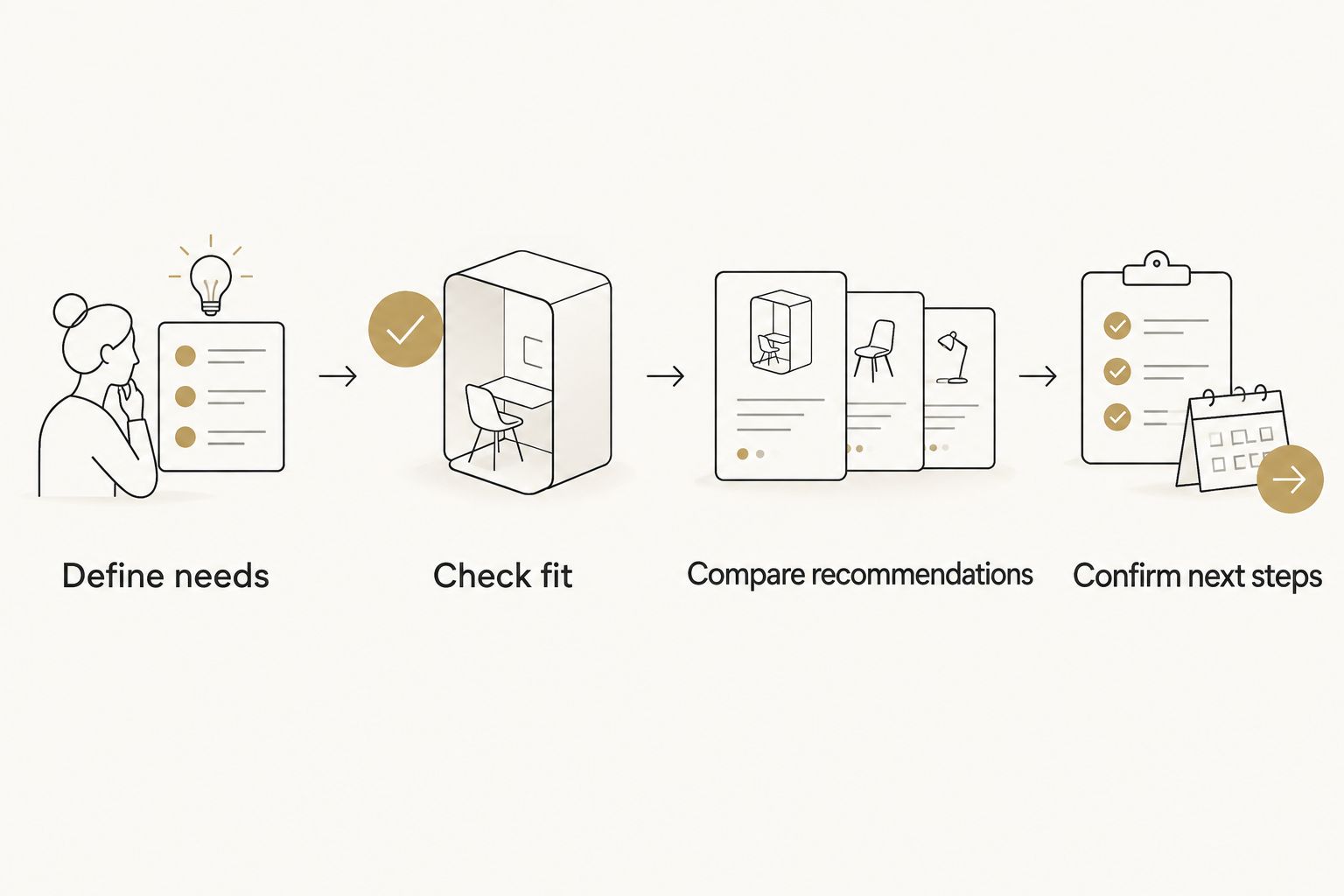
Use a short sequence to keep the decision focused. The aim is to understand the advice before authorising an application, not to collect as many recommendations as possible.
Define needs
Explain your purchase or refinancing goal, employment arrangements, existing debts and property plans. Tell the adviser what matters most, including repayment flexibility or keeping a guarantor's involvement limited.
Check fit
Ask who will assess your circumstances and what experience they have with borrowers like you. For medical borrowers, ask how the adviser will document and present your actual income rather than relying on your job title.
Compare recommendations
Request the reasoning behind the proposed lender and loan structure. Ask which alternatives were considered, why they were not selected and what trade-offs remain in the recommendation.
Confirm next steps
Establish who will communicate with you, which documents are required and what happens before submission. Confirm the status of any existing application so you understand what you are authorising.
Your 2026 shortlist should produce a decision you can explain in plain language: why this adviser, why this lender and why this loan structure. If the explanation stops at a headline rate or a general promise of approval, ask for more detail.
Discuss your home loan needs
Explain your borrowing goals and ask what information is needed to assess your options.
When staying with Hunter Galloway is the right call
Stay with Hunter Galloway if the adviser understands your circumstances, explains the recommendation clearly and provides the application support you need. Changing brokers is not an improvement by itself.
Before moving, compare the proposed advice with the work already completed. A different recommendation deserves attention when its reasoning better addresses your needs, not simply because it comes from a different provider.
FAQ
What’s the best Hunter Galloway alternative for doctors?
Mortgage Pros is a relevant alternative for doctors because it explicitly specialises in doctor home loans. Compare the proposed lender, loan structure and application approach against your circumstances before choosing an adviser.
Is a specialist mortgage broker better than a general broker?
A specialist broker is a better fit when the specialisation helps address your particular borrowing needs. Ask how that experience changes the assessment and recommendation rather than relying on the specialist label alone.
Should I apply directly to a bank instead of using Hunter Galloway?
Apply directly if you want to manage the lender comparison and application yourself. Use a broker if you want assistance with those tasks, while still checking the reasoning behind the recommendation.
Can I change mortgage brokers during an application?
Discuss a change with the advisers involved before authorising further work. Confirm what has already been submitted, the status of the application and what transferring the process would involve.
Does using a mortgage broker guarantee home loan approval?
No, using a mortgage broker does not guarantee home loan approval. The lender assesses the application against its lending requirements and your circumstances.
What should I ask when comparing mortgage brokers?
Ask why the recommended lender and loan structure suit your circumstances. Also ask which alternatives were considered, what trade-offs remain and who will manage communication during the application.
Should I speak to my existing lender before refinancing?
Yes, obtaining a current-lender review gives you a baseline for comparison. Assess that response against external recommendations and your reasons for refinancing, rather than assuming either staying or switching is automatically better.
One last thing
Ask what would make the adviser recommend a different loan. The answer reveals the conditions behind the recommendation: a change in your income, deposit, property choice or borrowing goal should prompt a fresh assessment, not an automatic reuse of the original advice.
Contact us today to discuss your home loan needs and the next steps for assessing your options.
Related guides