
FIFO workers’ home loans are mortgages assessed against fly-in fly-out employment and income, with the aim of financing a home or investment property. This 2026 guide explains how to document roster-based earnings, compare lending criteria and prepare an application without treating every payslip allowance as usable borrowing income.
- Home loans for FIFO workers depend on documented income, employment continuity and the lender’s assessment criteria.
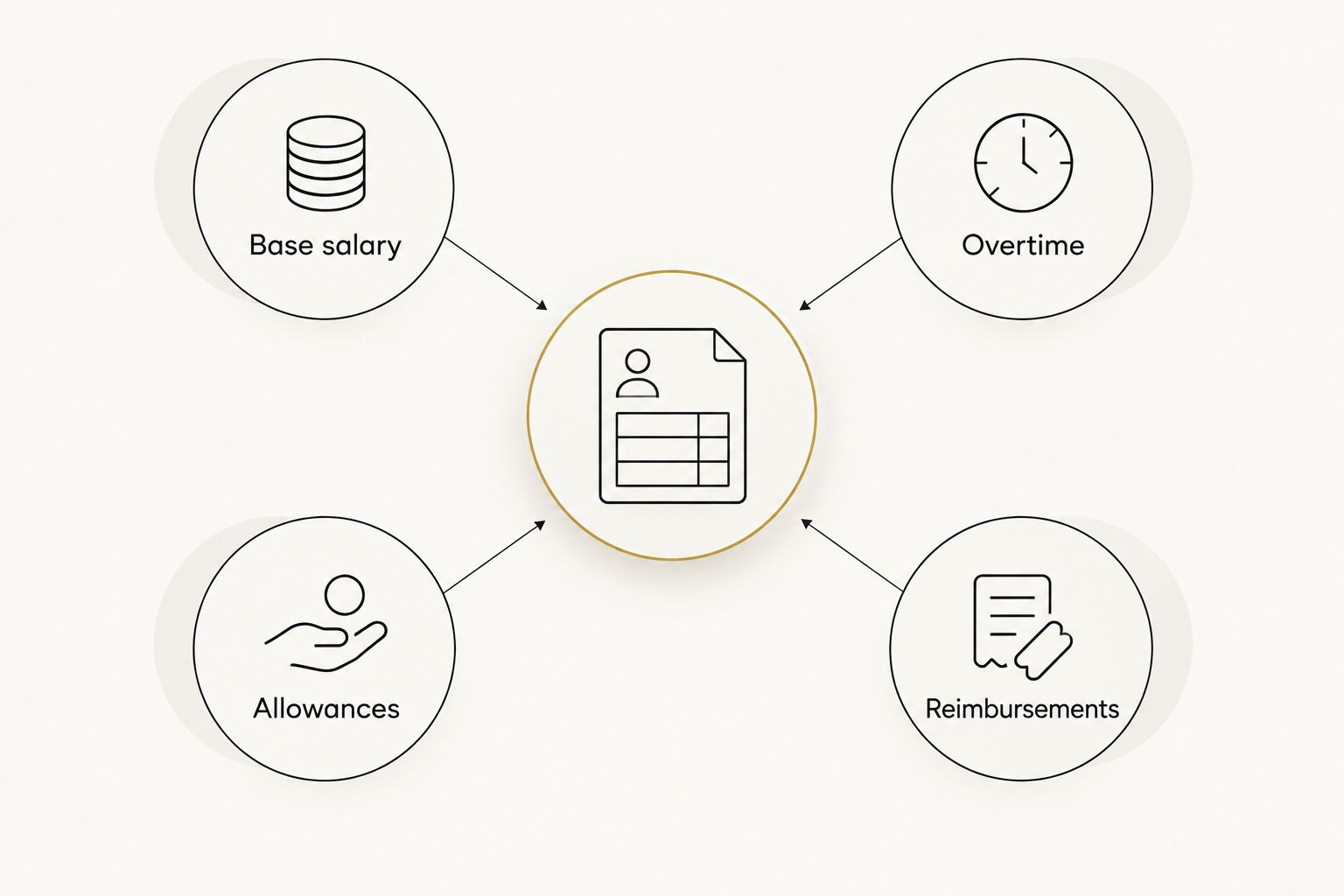
- Separate base salary, overtime, allowances and reimbursements before comparing borrowing capacity.
- Mortgage Pros provides mortgage broking support for borrowers seeking help with home loan applications.
- Choose repayments you can maintain during a lower-income roster, not just your highest-paying swing.
Why home loan preparation matters for FIFO workers
Your highest payslip is not the same as your assessable income. A lender needs to distinguish regular earnings from variable payments and money that reimburses work expenses. That distinction matters when your take-home pay changes between swings, projects or employers.
Your household budget also needs to work while you are away and at home. Employer-provided meals or accommodation do not remove the need to disclose your own ongoing commitments. For managing cash between pay cycles, start with the guide to offset home loan accounts, then check the actual account conditions before choosing a loan.
For a 2026 application, focus on the employment arrangement you have now. An earlier contract, a stronger past roster or an expected promotion does not replace evidence of current earnings. Explain changes clearly rather than expecting a lender to reconstruct your work history from bank deposits.
The practical goal is straightforward: show what you earn, what continues and what you can repay. A well-organised file supports that assessment; it does not guarantee approval.
How to prepare a FIFO home loan application
Separate your income into clear categories
Start with your payslips and employment agreement. Build a simple worksheet showing each pay component, whether it repeats and what supports it. Keep gross earnings separate from the amount deposited into your account, because deductions can make those figures look different.
Do not combine overtime, site allowances and expense reimbursements into a single salary figure. Their treatment depends on the lender and the payment’s purpose. A regular payment still needs an explanation if its name on the payslip does not make that purpose clear.
As a preparation exercise, review the past 12 months of earnings, where available, to identify changes and irregular payments. This is a useful organising period, not a universal lender document requirement.
- Base salary: match ordinary earnings to your current employment agreement.
- Overtime: identify recurring hours separately from exceptional extra shifts.
- Allowances: record each payment’s purpose and the conditions attached.
- Reimbursements: distinguish repayment of expenses from earnings available for repayments.
These categories give you a clearer starting point for a lender discussion. They do not mean every category will count towards borrowing capacity.
Document your employment continuity
Create a dated employment history before opening applications. Record whether you are permanent, casual, fixed-term or working through a labour-hire arrangement. Identify your legal employer rather than listing only the mine, project or site where you work.
Changing sites is not necessarily the same as changing employers. Equally, staying at the same site does not prove continuous employment if your contract or employing entity changed. Your documents should explain the difference without relying on assumptions.
For a 2026 application, include the current agreement and explain any recent move, probation period or contract end date. If a lender requests clarification, ask your employer for factual confirmation rather than a prediction about future work.
- Record employment start dates and explain material gaps.
- Match the employer name across payslips, contracts and bank credits.
- Keep current contract extensions and roster confirmations together.
- Explain changes in employment status, hours or pay structure.
Check income assessment before choosing a lender
You can start manually by asking prospective lenders how they assess your employment type, overtime and allowances. Request their document requirements before completing a full application. Compare the treatment of your actual income structure, not an advertised maximum borrowing amount.
Mortgage Pros is best for borrowers seeking mortgage broking support rather than a single lender’s application channel. The firm helps home buyers and property owners with home loan advice and approval support. You can ask Mortgage Pros to help assess your circumstances and compare suitable options.
A broker’s assessment does not replace the lender’s decision. Ask which lenders are being considered, why they suit your employment arrangement and which income components remain subject to verification.
- Ask how each lender treats variable earnings and allowances.
- Confirm the evidence required for your employment arrangement.
- Compare assessment assumptions before authorising an application.
- Request an explanation of exclusions and unresolved conditions.
Build a budget around a lower-income roster
Write down your household commitments using statements rather than memory. Include housing, dependants, insurance, existing debts and spending during breaks at home. Separate employer-paid work expenses from costs you personally pay.
Build 2 household budgets: one using your usual take-home pay and another excluding discretionary overtime or uncertain allowances. This is a planning exercise, not a substitute for a lender’s serviceability assessment. It shows whether the proposed repayment depends on earnings you cannot control.
Keep saving for predictable expenses even when they do not fall during the current swing. Annual insurance, vehicle maintenance and travel between home and your departure point still belong in the household plan.
- Base regular commitments on income you can substantiate.
- Include travel costs that your employer does not cover.
- Account for unpaid breaks and planned leave where relevant.
- Set a repayment limit that leaves room for household savings.
Confirm your deposit and property plans
Calculate your available contribution separately from money reserved for purchase expenses and emergencies. A deposit figure alone does not show whether you can complete the purchase. Ask for an itemised estimate of applicable transaction expenses without assuming an exemption or concession applies.
Loan-to-value ratio, or LVR, compares the loan amount with the lender’s accepted property value. An 80% LVR means the loan represents 80% of that value; the remaining 20% must come from your contribution or other accepted funding. That relationship does not include every purchase expense.
Lenders mortgage insurance commonly becomes relevant above 80% LVR, although exceptions and lender-specific arrangements exist. Do not assume FIFO employment creates an exemption. Property type, location and valuation also need assessment.
- Separate deposit funds from your emergency savings.
- Document the source of savings, gifts or other contributions.
- Confirm whether the property will be owner-occupied or an investment.
- Check the lender’s property requirements before making commitments.
Compare loan features against your roster
Start by listing how you intend to use the loan. Decide whether you want repayment certainty, flexibility for additional repayments or access to savings held separately from the loan. Then compare actual terms rather than choosing a familiar feature name.
An offset account and redraw are different arrangements. An eligible offset balance reduces the loan balance used to calculate interest; redraw concerns access to eligible additional repayments already made into the loan. Access conditions differ, so neither should be treated as an unconditional emergency fund.
For your 2026 comparison, request current product documents and check restrictions on extra repayments, account access and changing the loan. If you expect to rent out the property later, seek tax advice before deciding how to hold spare cash.
- Match repayment frequency to your household cash flow.
- Check offset eligibility and account conditions.
- Confirm redraw access rules and any restrictions.
- Review fixed-rate conditions before planning additional repayments.
Organise approval and settlement around your swings
Plan how you will respond to document requests while working away. Confirm your access to email, identification documents and any signing or verification process before an application reaches a deadline. Do not assume every step can be completed from a remote site.
Conditional approval is not unconditional approval. Read the conditions and confirm what remains outstanding, including any property assessment. Before signing a purchase contract, obtain legal or conveyancing advice about finance conditions and your obligations.
Keep your lender or broker informed if employment, debt or the property changes before settlement. A new credit commitment or altered contract can affect the assessment even after an initial discussion about borrowing capacity.
- Agree on a reliable contact method during work swings.
- Keep requested documents accessible through a secure channel.
- Check finance and settlement dates with your conveyancer.
- Report material changes before relying on an earlier assessment.
Discuss your home loan today
Ask Mortgage Pros about your employment, income documents and next application steps.
Compare application routes and loan structures
Application support and loan structure are separate decisions. You can use a broker to consider a fixed or variable loan, or approach a lender directly about either structure. The table compares their purposes, not equivalent products.
For home loans for FIFO workers, settle the income assessment question first. A useful feature does not solve a mismatch between your earnings evidence and the lender’s criteria.
| Option | Best for | Main advantage | Key limitation |
|---|---|---|---|
| Direct lender application | Borrowers comfortable managing one lender’s process | Direct discussion about that lender’s criteria | Does not compare other lenders’ assessment approaches |
| Mortgage broking support | Borrowers wanting help comparing suitable options | Assistance with lender selection and application preparation | Available lenders and scope of service need confirmation; approval remains the lender’s decision |
| Variable-rate loan | Borrowers prioritising repayment flexibility | Supports flexibility where the product terms permit | Interest rates and required repayments can change |
| Fixed-rate loan | Borrowers prioritising repayment certainty during the fixed period | Provides a defined rate for the agreed period | Extra repayments and early changes can be restricted |
| Split loan | Borrowers wanting fixed and variable portions | Combines different repayment features | Both portions require review and management |
Choose the assessment route before choosing the feature set. Once income treatment is clear, compare the proposed repayment, conditions and flexibility against your own roster-based budget. Recheck current terms before accepting an offer.
Common mistakes FIFO workers make
Treating every allowance as usable income
A payment appearing on a payslip does not establish how a lender will assess it. Expense reimbursements and earnings serve different purposes. Explain each component and ask what evidence supports its inclusion rather than budgeting on the full deposited amount.
Using the strongest swing as the repayment baseline
A busy work period can make a larger mortgage look comfortable. Your repayment continues when overtime falls or your roster changes. Use the lower-income budget to decide your own limit, even if an indicative borrowing calculation produces a higher figure.
Confusing the worksite with the employer
A site name does not explain your employment contract. Labour-hire arrangements, contract renewals and employer changes need their own documentation. Give the assessor a clear employment timeline so the application does not rely on an incomplete description of job continuity.
Assuming work accommodation replaces household expenses
Employer-provided accommodation during a swing does not cancel your mortgage, family commitments or spending at home. Report your actual financial responsibilities. An application should reflect your household’s ongoing position, not only the days when your employer covers meals or accommodation.
Leaving purchase deadlines until the next break
A work swing does not pause contract obligations. Arrange communication, document access and legal advice before making an offer. If you cannot respond promptly from site, discuss the process with your broker and conveyancer before agreeing to dates.
FAQ
Can FIFO workers get a home loan in Australia?
FIFO workers can apply for Australian home loans, subject to the lender’s eligibility and credit assessment. Employment arrangements, documented income, debts, expenses and the proposed property all affect the decision.
Do lenders count overtime for FIFO home loans?
Lenders assess overtime under their own income policies; do not assume the full amount counts. Provide evidence of its history and ask how the lender will treat it before relying on a borrowing estimate.
Will my site allowance count towards borrowing capacity?
A site allowance needs assessment according to its purpose, consistency and the lender’s policy. Separate allowances from expense reimbursements and provide supporting employment documents.
Can I apply if I work through a labour-hire company?
You can apply with a labour-hire employment arrangement, but acceptance depends on the lender’s criteria. Identify your legal employer and document your employment history, current agreement and earnings.
Do FIFO workers need a special mortgage product?
FIFO employment does not automatically require a separate mortgage product. The central issue is finding lending criteria that fit your documented employment and income, then choosing suitable loan features.
Should I use an offset account for roster-based income?
An offset account is an option when you want eligible savings to reduce the balance used to calculate interest while keeping funds in a separate account. Check the product conditions and compare the arrangement with your cash-flow needs.
Can Mortgage Pros help with a FIFO home loan application?
Mortgage Pros provides home loan advice and approval support for individual borrowers and investors. Contact the firm to discuss your FIFO employment, income documents and property plans; the lender makes the approval decision.
One last thing
Keep your household repayment limit separate from the lender’s borrowing limit. Approval answers whether a lender will offer finance under its assessment; your budget answers whether that commitment fits the life you want between swings.
Before submitting a 2026 application, write down your income assumptions and the repayment you are comfortable maintaining without exceptional overtime. Use that note when discussing options, not just the largest borrowing figure. Contact us today to discuss your next step.
Related guides
- Best lenders for self-employed home loans
- Low-deposit home loan options
- First home buyer home loan options